
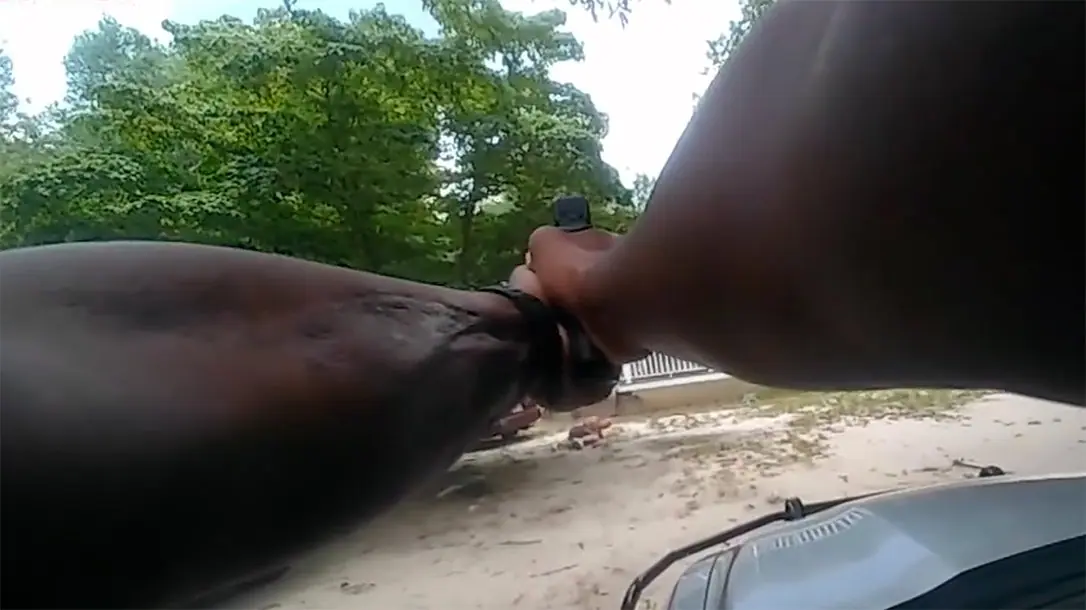
Combat marksmanship (CMMS) is the ability to place lethal precision fire on a threat target in all environments under the stress of combat in order to reduce a threat to a point that it is no longer viable.
CMMS principles differ from those of marksmanship (MMS) because with the former, an enemy is either actively firing at you or has just been firing at you. In the latter, the Gunfighter has all the time to make a shot count. In CMMS, the Gunfighter has limited time to perceive a threat and then eliminate the threat. That time is literally the rest of their life.
When a UFC fighter goes into the octagon, they call it combat. However, is it really? He cannot bite, head butt, or gouge the opponent’s eyes. It is nothing more than a very painful athletic event. The UFC fighter can say “I quit” or tap out. In combat, the face-off of opponents is to the death.
The fighter in actual combat, the Gunfighter (whether Warfighter, Peace Officer, or Responsible Armed Citizen), is not afforded the ability to quit or tap out.
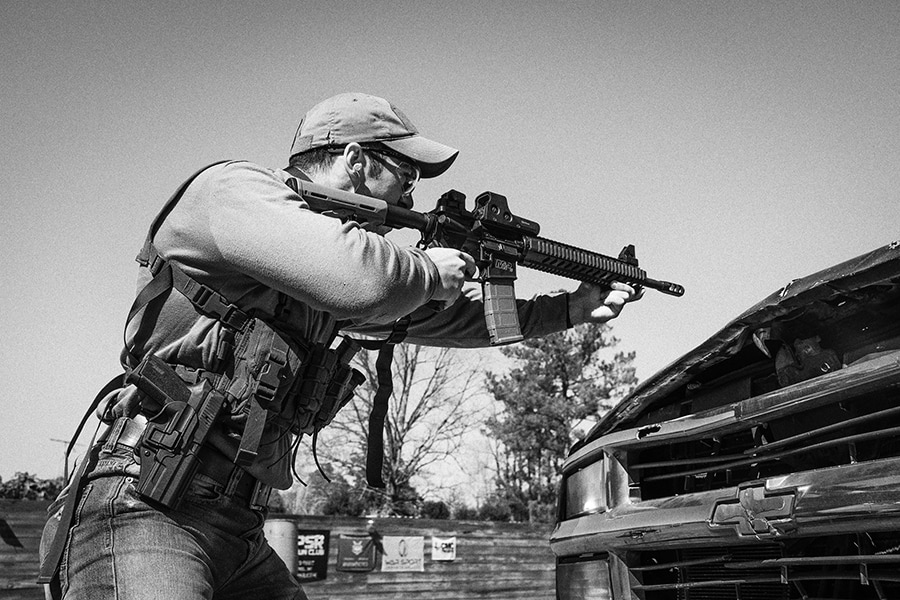
If the Gunfighter quits, it is very likely that he and/or someone else will die.
What is combat marksmanship? It is the ability to place lethal precision fire on a threat target in all environments under the stress of combat in order to reduce a threat to a point that it is no longer viable.
Combat Mindset: What Is It?
CMMS begins with a mindset that the shooter is going into a combat situation. When a boxer enters the ring, he expects to be hit. When a person has taken on the responsibility to protect himself or others, he has to assume that once the fight is on, it is to be to the end.
It may end peacefully. Posturing may actually work.
Studies show that a gun presented by a victim actually keeps the assailant at bay or runs him away many times. The mental decision of the “victim” to refuse to be a victim was the first action completed to save his life. That decision was made as soon as that person decided to arm himself. The correct mindset for the “combat” situation starts with preparedness.
Preparedness is the situational awareness that something may happen and “prepares” the mind by thinking out the what-ifs, i.e., if this happens, I will do that. This little saying is one of the best thoughts to have before an event actually occurs. Human reaction times to a stimulus can be as fast as 0.25 seconds. These reaction times are achieved when a person can think through the actions needed to accomplish a task before it is needed.
This is a mental rehearsal.
My collegiate wrestling coach was a big advocate of the mental rehearsal. The night before matches, I would lie in bed and mentally picture the match in my head. I would visualize the actions I was going to do first and think to myself, “If this or that happens, then I will respond like this…” I wrestled the match mentally/virtually many times before I wrestled it actually/physically.
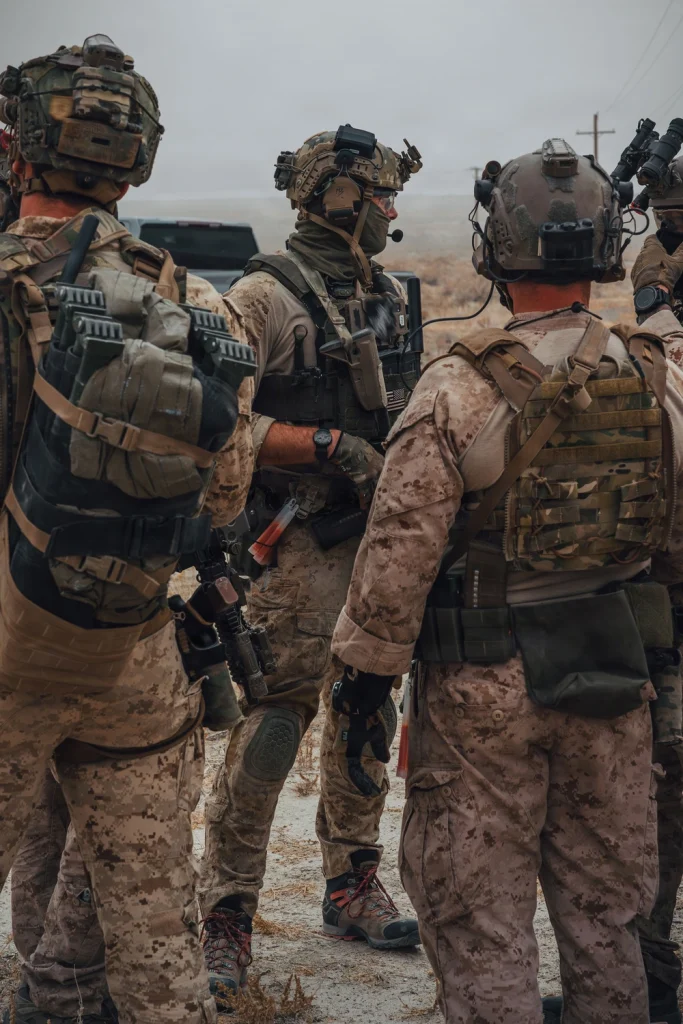
Now, I am a much better shooter than I was a collegiate wrestler, but I learned a lot from those simple mental exercises. These prepared me for many situations in life. Preparedness also influences determination and the ability to be proactive.
Preparedness and Mental Rehearsal
Determination and Controlled Passion
Determination is the next principle of the mindset for combat. It is the innate personal decision not to quit until the situation is over. By being mentally prepared, the shooter is not as surprised at the situation and therefore not as overcome by events as someone who has no idea about what is going on. Because a person can think ahead in the gunfight, he can then realize the outcome and be proactive, not reactive. By being determined and proactive, the Gunfighter has a diminished fear factor.
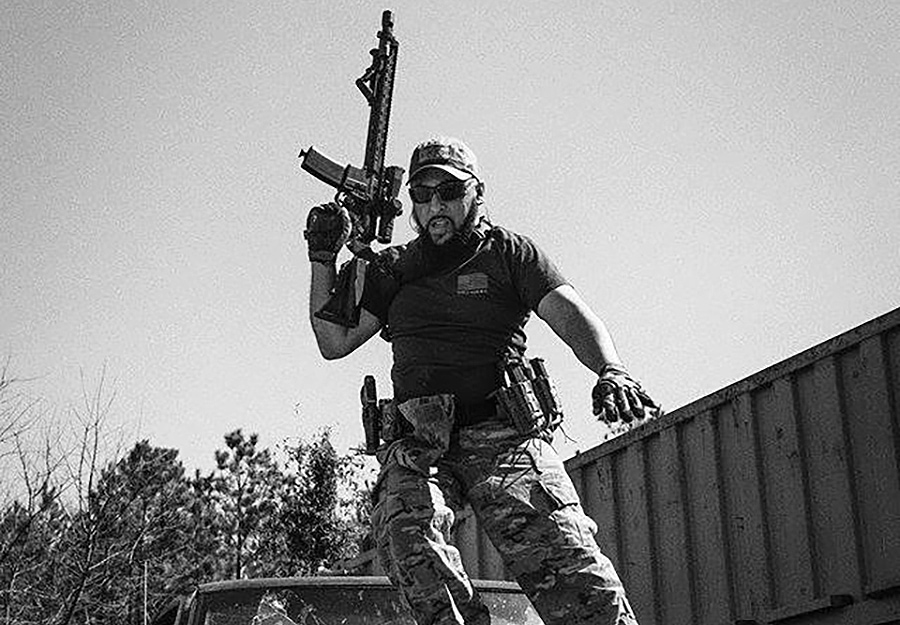
I am not saying that there is no fear in the gunfight. There is fear, fear of others getting injured or dying and other types of fear. Maybe fear of the bad guy getting away. However, determination, a mental attitude that rules out quitting as an option, is what carries us through to the end of the fight.
Determination gives us passion, and passion can be the driving force that gets us out of bed on Saturday mornings and takes us to the range.
Passion is the love that we have for activities we do. Going to the range and training for tasks that are uncomfortable or hard to accomplish. However, once we accomplish those tasks, we feel a sense of gratification and satisfaction. That passion breeds more determination to excel, make ourselves better and push ourselves harder. We just have to remember, too much “can do” sometimes can do us in. We need restraint at the right time in the training cycle. We must be able to control the passion and use the smoothness we develop in our actions to develop the mental speed needed to anticipate what happens next.
Speed, Reflexes, and Muscle Memory That Isn’t
Speed, both mental and physical, comes by training actions repetitively. By repeating the same actions correctly many times, we, in effect (e.g. notionally), groove that action in our brains. Once that motion is grooved, the action can become almost reflexive.
There is no such thing as muscle memory, per se.
That is a term used to explain the reflexive actions of trained tasks that can happen with minimal outside influences. A reflex by definition is a response to a stimulus that does not need to go to the brain and be processed. It goes to the spinal column and back to the point of origin. Training increases speed. Training gives us the experience to know what should be happening next in the sequence of events. Passion drives us to train and determination keeps us going when it gets difficult. By focusing that passion and determination, we can push through to the next level of accomplishment and our speed increases. With focused power and speed, we accomplish violence of action.
Combat Mindset: the Gunfighter’s Progression
- Passion: The initial love for the craft that drives a Gunfighter to the range on a difficult Saturday morning.
- Determination: The mental refusal to quit that turns raw passion into disciplined, repetitive training iterations.
- Training: The deliberate repetition that “notionally grooves” an action into the neurological system.
- Speed: The byproduct of grooved actions, transforming deliberate movements into near-reflexive speed.
- Violence of Action: The ultimate culmination of passion, determination, and speed, executing force so overwhelmingly that it completely dominates the threat.
Achieving Violence of Action
Violence of action is the execution of actions with surprisingly overwhelming force. It is a culmination of all the passion, determination and speed needed to realize victory. When faced with violence of action the assailant must reevaluate the situation. Violence of action also diminishes the bravado of the assailant and increases the bravery of the Gunfighter. Violence of action is the one aspect that criminals use to surprise victims and totally dominate the situation. By dominating the situation, they control the victim. The Gunfighter must use all the aspects of the combat mindset to be the one that dominates the situation, eliminates any threats with the appropriate level of force and be prepared to go to that level of force. Thereby controlling the situation and being victorious.
Confidence Through Experience
Confidence is ability proven by training before the fight.
Repeat that. Not just in your head, say it out loud.
“Confidence is ability proven by training before the fight.”
When a Gunfighter has confidence, it is because they have earned it through hard work and repetitive training iterations. Confidence is experience! Confidence is needed to ensure that the Gunfighter knows that they can accomplish a task because it has been neurologically grooved. Confidence is also the knowledge that the Gunfighter can adapt to new, unique situations based on the 90% solution from past experience gained through realistic high-stress training.
Adaptability vs Normalcy Bias
Adaptability is the fundamental ability to change tactics, rules or thought processes in response to changing situations. If the Gunfighter does not have the experience, or confidence in themselves to read the terrain (whether it be tactical or operational in nature), and allow themselves to see changes without normalcy bias, then they are not adapting to the changes fast enough to survive. Understanding the forces against them and being flexible in doctrine, movement and tactics allows the Gunfighter to win against an asymmetrical enemy.
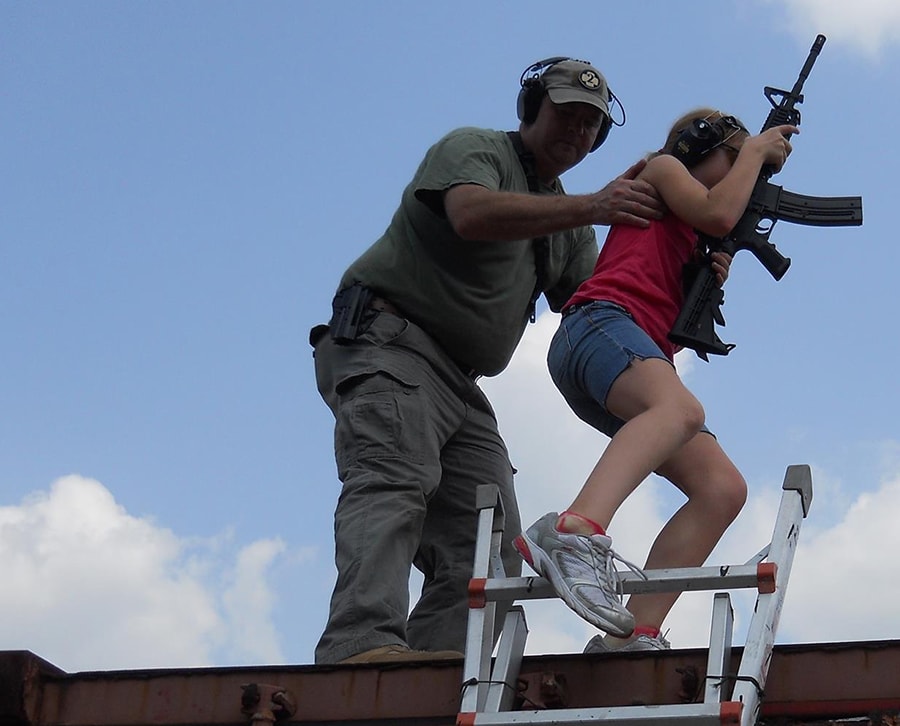
Violence of Mind: Developing an Offensive Attitude
Offensive Attitude. This does not mean being belligerent or pissing everyone off.
This means that the Gunfighter has the mental ability to visit violence against an enemy. This is the “Violence of Mind” part.
To use Violence of Action, to use lethal force, to:
- Move Hard
- Strike First
- Strike Fast
- Have a Hard Heart when needed
- Take the high ground, to deny victory, to seize it from the enemy
The combat mindset is not a natural-born state for most people. It is and can be a learned response.
In preparing oneself for the fight, the combat mindset must be mastered. You must have determination to go the distance, passion to work hard and the mental preparedness to be aware of the situation.
Those who train correctly for the fight win the fight!
Combat Marksmanship Mindset Glossary
| Term | Tactical Definition for the Gunfighter |
| Combat Marksmanship (CMMS) | The ability to place lethal precision fire on a target under the stress of combat to eliminate a threat. |
| Preparedness | Situational awareness and mental rehearsal used to drop human reaction time down to .25 seconds. |
| Determination | The innate, personal decision that rules out quitting as an option in a lethal face-off. |
| Passion | The internal drive that forces a Gunfighter to train under difficult or uncomfortable conditions. |
| Violence of Action | The execution of actions with surprisingly overwhelming force to completely dominate a situation. |
| Adaptability | The ability to actively read terrain and shed normalcy bias to counter an asymmetrical enemy. |
| Offensive Attitude | The mental willingness to visit lethal force, move hard, strike first, and strike fast with a hard heart. |





Good read. Thank you. Confidence = experience, success, familiarity.