
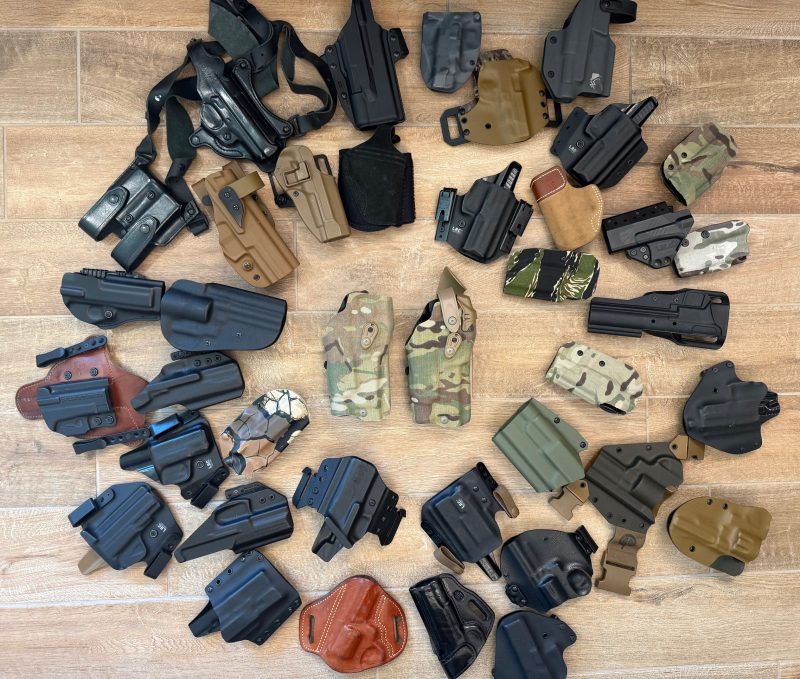
Bring it in, take a knee. CZVZ Doug is taking a look at two retention holster options from Safariland holsters (the 6354RDSO and 6360RDS) and a couple of other models from other brands to discuss retention. Most people usually associate that term with LEO duty holsters, but it’s something any gun carrier should be considering.
Estimated reading time: 16 minutes
Retention Holster Options: Which is “Retainiest” and is it Necessary?
There seem to be only two types of people when it comes to holsters. Those who never buy one for any gun they own, and those who buy several for every pistol they own. We own. I’m in that second group, forever searching for “the one,” so we end up with boxes and bins full of past purchases.
Technologies advance, preferences change, new brands become available… During just the past decade and a half that I’ve been paying attention, hundreds of holster makers have come and gone. Many produced very good products. Unfortunately, more of them…not so much. However, one company has been the gold standard for tactical holsters since it made a name for itself in the 80s and 90s: Safariland.
But after all this time, are their holsters still the GOAT? In my search for more holster retention, I put their Safariland RDSO and RDO through their paces against some of my favorite past holsters to find out.
Safari-who?
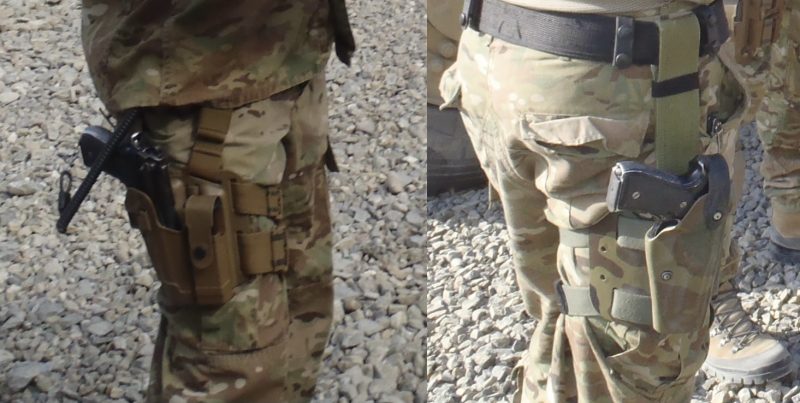
The first time I ever saw a Safariland holster was during my deployment to Afghanistan. I was feeling super cool in my drop-leg Serpa holster, complete with a lanyard attached to the butt of my M9… and then I saw my NCOIC’s setup. Shockingly (!), there is a slight possibility that my setup as a young, untested officer was not as well thought out as that of a seasoned Sergeant First Class who had already seen more real action in Iraq than even Tim Kennedy claims to have seen.
Surprise, surprise, amirite?
But right off, let’s address the Sig P320 in the room. Yes, I said Serpa. No, I didn’t know what I didn’t know.
Blackhawk Serpa holsters have been banned from most reputable instructors’ classes for at least a decade, for good reason. Even back then, we should have known better, but I didn’t get the memo. So that’s what I was carrying, and while it offered active gun retention, it’s not the comparison I’ll be making here.
What’s the same, what’s different?
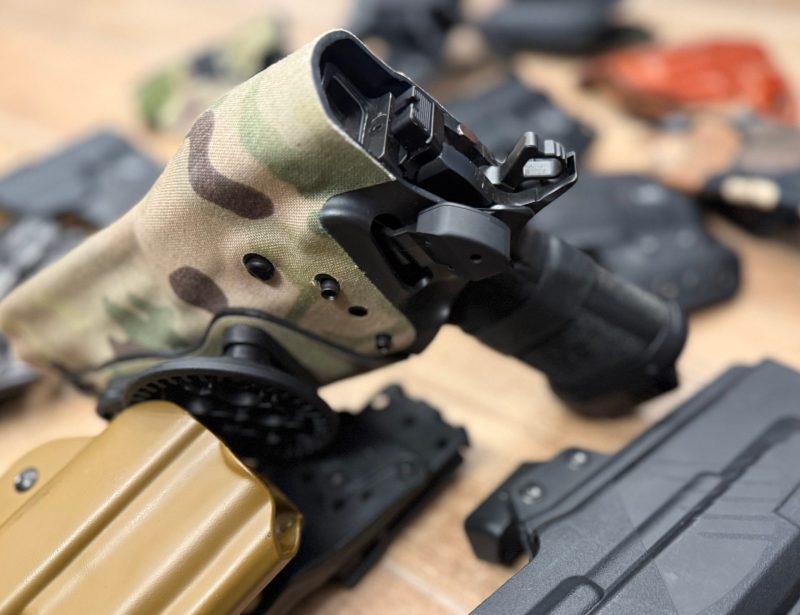
The first thing you notice when you pick up a Safariland holster is that it is substantial. It’s built like a tank. The RDO and RDSO models I compare here epitomize that build quality and feature-richness. For example, both holsters feature the proven Automatic Locking System (ALS), which means that when the gun is dropped into the holster, it can’t be removed without depressing the release lever. That alone gets you more retention than most holsters on the market. Both are also covered in sexy multicam Cordura.
Which, let’s face it…cool factor is a thing and holster wraps are HAWT.
Both of these holsters also have a suede lining, which is rare. Some may scoff at this luxury for their “hard use” tools, but. well…they’re wrong. I even put my socket sets back in their respective places when I finish a job, rather than let them bang around, because not being afraid to use your tools and purposely abusing them are two separate things.
Plus, not to brag, but I still have all my 10mm sockets. So yeah, I’m a bigshot.
Now for the differences.
6360RDS
The biggest, beefiest, and retainiest (word I invented, I need to trademark that) of the Safariland lineup is the RDS. The part I love about the RDS design is that the entire optic is covered, preventing not just damage but protection from rain, mud, blood, that weird semi-liquid canned nacho cheese they serve in stadiums, or anything else you might encounter in your fight. Closed emitters are great for keeping the dot running, but you still need to see through the back of the glass (interestingly enough, not the front, though; for more on why, search “occluded shooting”). Until we write an article about it.
This holster can be run with the flip-open hood and the retention loop not activated, so, essentially, you are left with just the ALS system doing retention duty. This is a nice option for remaining flexible in response to the situation. Unsurprisingly, everything mechanical on this holster functions like a Swiss watch. This is the quality you are paying for with the Safariland price, and is not common in today’s world of Chinese knockoffs or brother-in-law basement kydex specials.
6354RDSO
As with the RDS above, the RDSO has the ALS, with a hood protecting the thumb-release lever. I chose to remove this, which Safariland makes easy without affecting the holster’s overall function. Why? Because for my environment, when wearing this setup, a gun grab just isn’t on the menu. So, while I need a holster that keeps me from losing the gun, a simple recessed release mechanism is all I need to keep gear from inadvertently activating it.
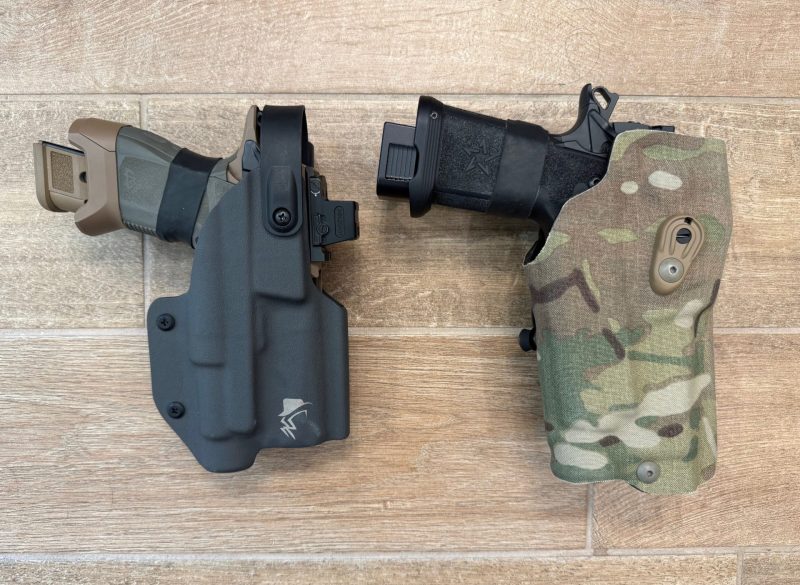
Another big difference between the Safariland designs and many other holsters is that the red dot is protected. For comparison, my Grey Man Solutions holster, shown below (and also outstanding), has retention but does not cover the optic. It also does not automatically retain the gun with active mechanical retention that must be defeated with a hand movement when holstered. It has something closer to the second-level retention hood on the RDO, but as a stand-alone feature.
That said, it is also half the cost.
Differing retention level defintions
Another quick word about retention. Depending on who you talk to, not all level 1 is level 1, and you’ll hear things like “active” versus “passive” and these differences then stack as you work your way up to “Level 4”. In the image caption above, you’ll hear me refer to the Grey Man holster as having “minimalist level 1 retention”. That means that while the holster “clicks” into place behind my Weapon Mounted Light and will keep the gun in when held upside down, it does not require a lever or button to release. A true “no retention” holster, is something closer to an Uncle Mike’s where gravity alone keeps the gun in place. Safariland has developed its own definition of retention and does not consider passive retention a level of retention at all. You can learn all about this and a lot more at their “Holster University“. So, the next time you are debating holster features, make sure you both are using precise language when describing the features you are looking for.
Do you trade speed for retention?
I really like both of these holsters, but I had to ask: Is there such a thing as “too much retention”? Not unless you can’t reliably draw the gun from the holster under stress and in a timely manner. However, there can be more retention than is necessary for a given application, and that’s where I see the need for a user to make an informed decision between these two models.
First of all, unless it is a pure range or competition setup, I want more retention than a little bit of friction and gravity. I’ve written about this before when discussing chest rigs and magazine pouches. Any serious fighting loadout must have active retention. Gun grabs aside, simply moving dynamically or operating around other people, vehicles, tree branches, or anything else means things can get snagged, and you can lose them.
“Gut feelings” are usually a poor substitute for empirical measurement for all but the most expert in the subject matter, so rather than guess which holster “felt” the fastest and by how much, I took these to the range and ran some simple drills on the timer. It also gives me an excuse to use my new SG Timer 2, which has been outstanding to date.
Measuring and the standards
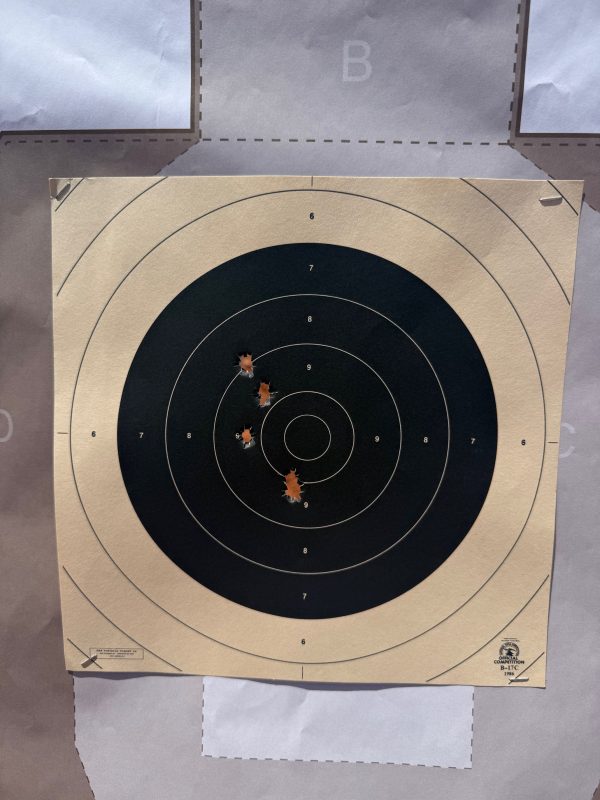
The standard I was trying to achieve was to draw from having my hands off the gun (I happened to use “the interview” stance position) and put two rounds in at least the 9 ring on a B-18c target (what would roughly be the ten ring on a B-8 target had I packed the right ones). All at 7 yards. So, moving quickly but keeping fairly tight accuracy instead of trying to burn the barn down on a single shot A-zone at 3 yards.
What I found between the RDSO and the RDO was about what I expected, but things got more interesting against a holster with no active retention. I mainly went with pairs so I could resist the temptation to drive the hell out of the gun to go fast and get lucky making a hit as the sights passed by the target, even if it meant I couldn’t quickly follow up. Because of the level of accuracy I was going for at that distance and my skill level, my split times were a consistent 0.25-.3 seconds. That has nothing to do with the holster, but it’s always a good thing to know where you live, ability-wise, at a given distance and accuracy standard.
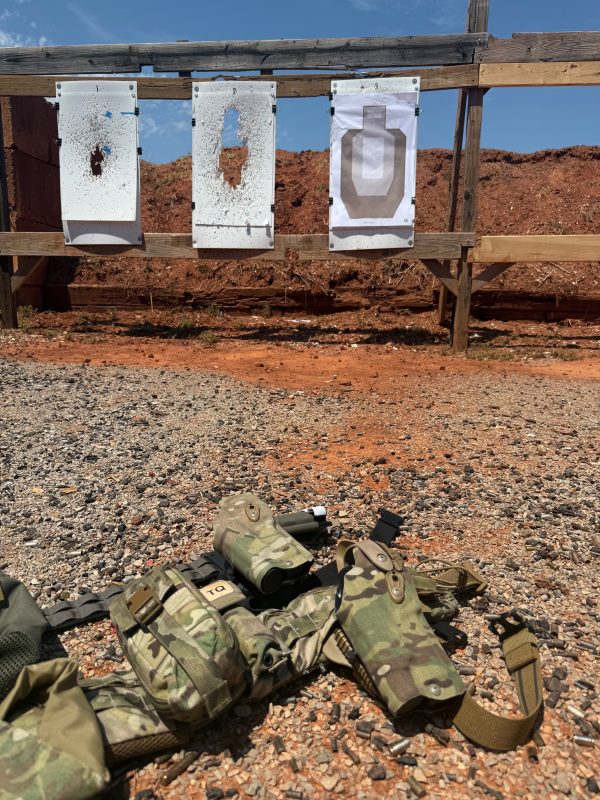
First up, the RDSO, which I consistently ran about a 1.5-second draw to the first round. I ran multiple drills for each setup and took pictures of the typical result. I’m not trying to church up my results here; I was fortunate that the times were very repeatable, even if underwhelming to others.
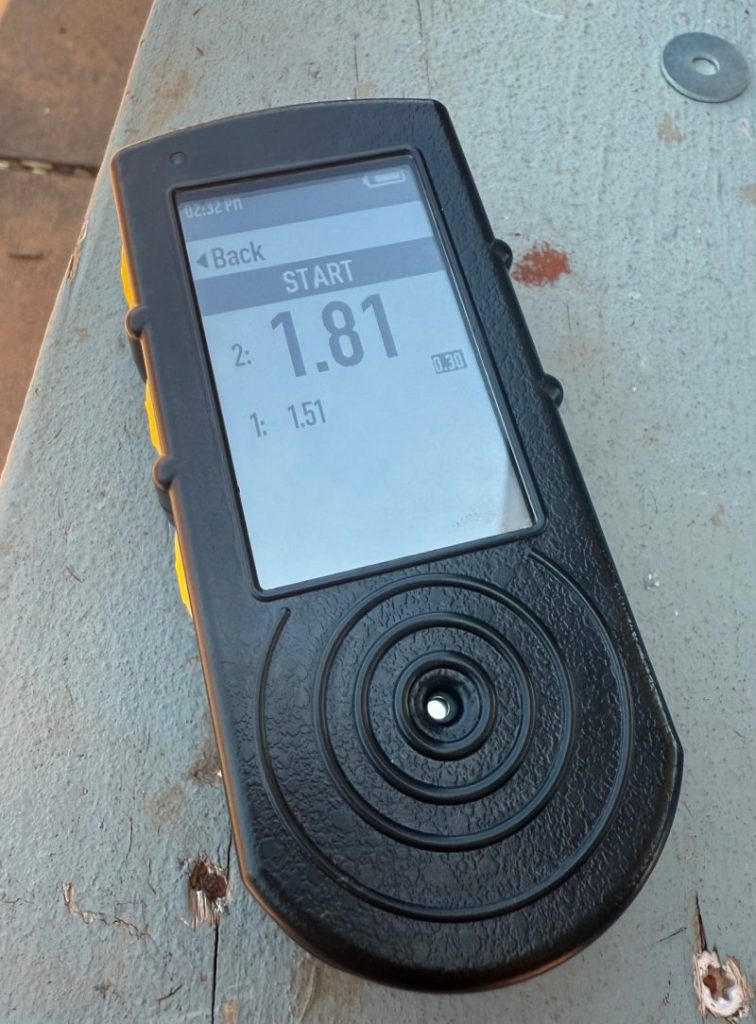
Next up was the RDO, which has two separate retention mechanisms to defeat. However, with the hoop and hood flipped open, you can run it exactly the same as the RDSO if desired. With only a little practice with this manual of arms, I ran a consistent 0.5 seconds slower versus the RDSO at around 2.05 seconds draw to first shot. I suspect some dry-fire draw practice could narrow this gap substantially, down to about a quarter second.
Back to my comment about being able to accomplish the task in a timely manner. If you are wearing this huge, bulky holster on a duty/battle belt, do you need a sub-second secret draw like you would from concealed appendix carry? Probably not if you are paying attention to your surroundings at all. In return, no one is likely to be successful in even the most determined gun grab. That sounds like a great trade for those out there dealing with “mostly peaceful” criminals. As a suburban dad, it’s probably more than I need, especially given what security the pared-down RDSO still provides.
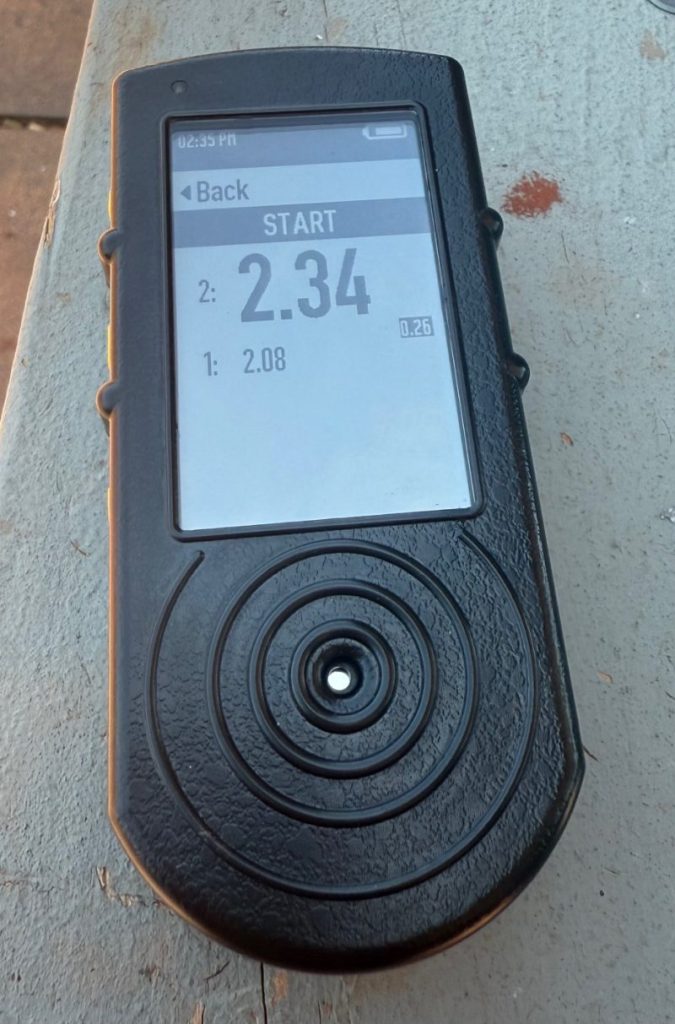
Now, for what surprised me.
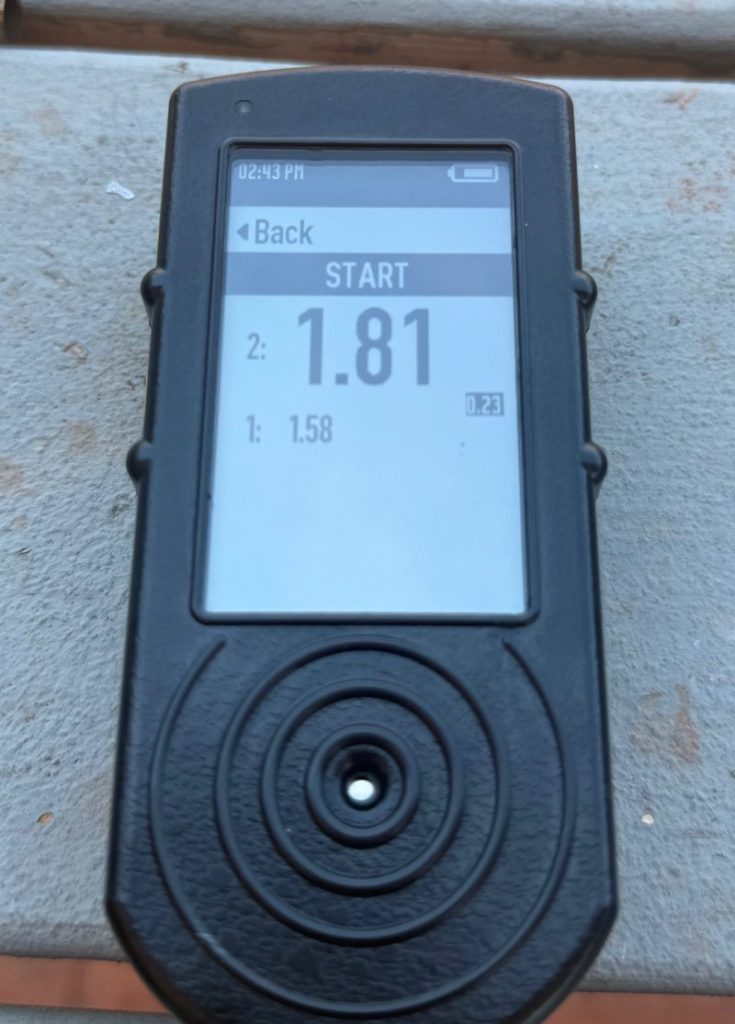
Last up, I ran my CZ75B from a basic Bladetech holster that relies on little more than tension and hope to retain the gun. My times were almost identical. That tells me the thumb release on the RDSO is as intuitive and fast as it felt before I put it on the timer. Remember how I said never to trust feelings? Well, in this case, they weren’t far off, and now I have verified it is the case.
With this, I can make an educated decision on what tradeoffs I’m making for better retention.
Mounting System
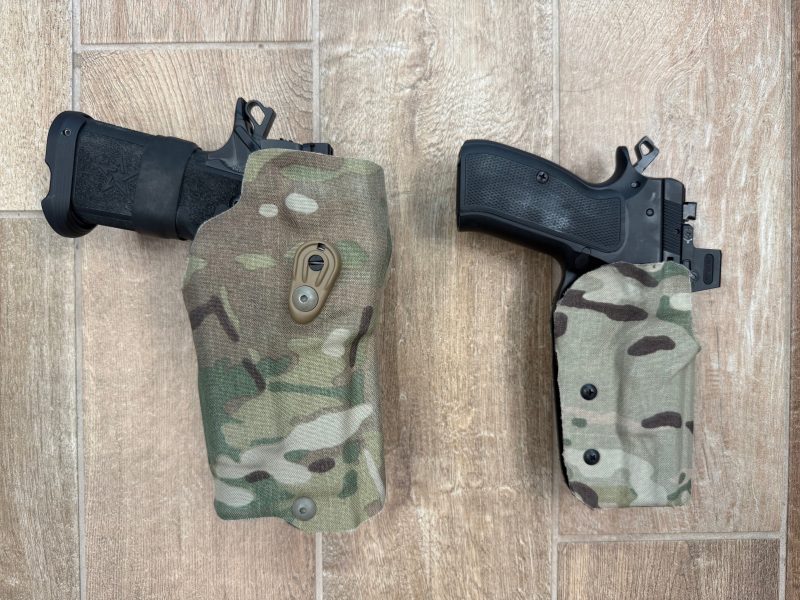
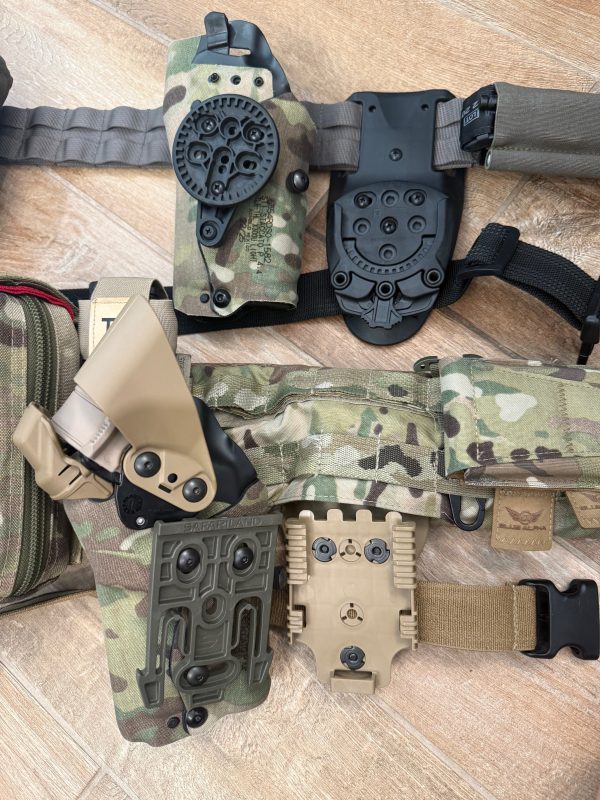
Gun retention aside, quick-detach systems are a must these days. My only regret from investing in the hardware for all my go-to holsters this past year was that I didn’t do it sooner. Getting holsters swapped out for trips to the range or class is so much nicer now. While both attachment systems work great, I do like the Bladetech’s ease of on-the-fly cant adjustment. While they make a Safariland UBL compatible adapter you end up with an “adapter on an adapter” situation that has the gun pushed further away from the body than you might be used to. This means you’re more likely to bang it into things and vehicle work is a chore. Depending on your plate carrier setup you might like the extra clearance on your draw.
I won’t get into the belt attachment piece itself, just pay attention to your belt loop size when ordering and run whatever you buy with all the other gear you plan to use, including your rifle and sling to see if you’re happy with where things lie.
Cons?
I’m far from the first one to say this, and Safariland isn’t the worst offender by far, but those naming conventions! They make all the Glock models and calibers and generations seem easy to interpret.
“771 7TS” or “7390RDS 7TS”? “6390RDS”, “6354RDSO”, or “6378RDS”? Is that clear or intuitive to anyone else who, like me, doesn’t live, breathe, and pay their bills in the gun industry? To be fair, their website has a “Holster finder” option that lets you search by criteria such as retention level, but it’s far more convoluted than it needs to be. One might even say terrible.
I have included a complete breakdown of the holsters depicted in this article at the end, should you like to replicate what you see here.
Second, I’ll put it here because I hear it, but I don’t agree with the complaint. Cost. By the time you are all done getting something like the RDS with the various mounting hardware you prefer, it can cost as much as some red dot optics.
I’m in the camp of “buy once, cry once” here. I, like everyone else, have to live within a budget that is far smaller than I would like for gun stuff, but I always think in terms of value. I always ask if I’m getting as much or more than I am paying for, and in the case of Safarliland holsters, I am.
The fit, finish, and function of these holsters are as good as you can buy at any price. I’ve yet to see better. Add to that, I have seen these holsters put through hell on deployments and keep on ticking when even our Danner boots gave up the ghost. You can buy a cheaper holster that doesn’t work as well now and won’t hold up as well later, but why would you?
Lastly, after testing, I broke down and bought the OT Defense ALS NUB MOD, which everyone raves about. This just clamps over the existing thumb retention release, and while some practice draws in my bathroom confirms it is much easier to actuate, I will have to put it to the timer to see if it is measurably faster.
Given how popular this upgrade is, I’m surprised Safariland hasn’t already made it standard on its models or offered it as an in-house add-on.
Much like the holster naming convention, selecting the right nub is so complex that OT had to create an entire video on it. Maybe it’s a small thing, but for those of us who barely have time for this aspect of our lives, anything that makes getting what we need harder sucks.
Safariland Holsters: Final Thoughts
A holster with gun retention that ensures you’ll never yeet your blaster, all while protecting the optic with no impact to draw times? Yes, please!
Unmatched quality that will last you years of hard use and a lifetime of use from most of the rest of us, all while looking super cool? Double yes, please.
I hate to sound like a fan boy, but some things earn the reputation they have. Just look around the next time you see professionals in arms and ask yourself why they all run Safariland when they can have anything they want? If you have been waiting to upgrade your holster, here’s your sign.
Safariland RDSO / RDS Detailed Model Info
Safariland 6360RDS
Available for purchase online here.
6360RDS – ALS®/SLS Mid-Ride, Duty Rated Level III Retention™ Holster × 1
Finish: Cordura®
Draw Hand: Right
Color: MultiCam®
Optic: Large Enclosed Emitters Similar to Aimpoint ACRO
Light: Surefire X300
Firearm: Staccato P Duo (4.40" Barrel Length, 9x19mm Parabellum Caliber)
Part: 6360RDS-1582-701
Model: 6360rds
SKU: 1324641
Options: 29375
Safariland 6354RDSO
Available for purchase online here.
6354RDSO – ALS® Holster w/ QLS19 Fork × 1
Material: Hardshell STX
Finish: Cordura®
Draw Hand: Right
Color: MultiCam®
Optic: Large Enclosed Emitters Similar to Aimpoint ACRO
Light: Surefire X300
Firearm: Staccato P Duo (4.40" Barrel Length, 9x19mm Parabellum Caliber)
Part: 6354RDSO-1582-701-MS19
Model: 6354RDSO
SKU: 1335346
Options: 25275
And by special, we mean a lowered price and free shipping.
Doug O Safariland Holsters Retention


0 Comments