
I was yesterday years old when I learned the backstory of waxed cotton, waxed canvas, and other seemingly old school materials used to make snivel gear. In simplest terms (which I’ll be expanding on in the coming days), the use of waxed cotton started during the 1400s. Fifteenth century sailors took scraps of sailcloth and treated them with assorted fish oils and primitive waxes to craft waterproof (or at least water-resistant) garments for use aboard ship.
Estimated reading time: 4 minutes
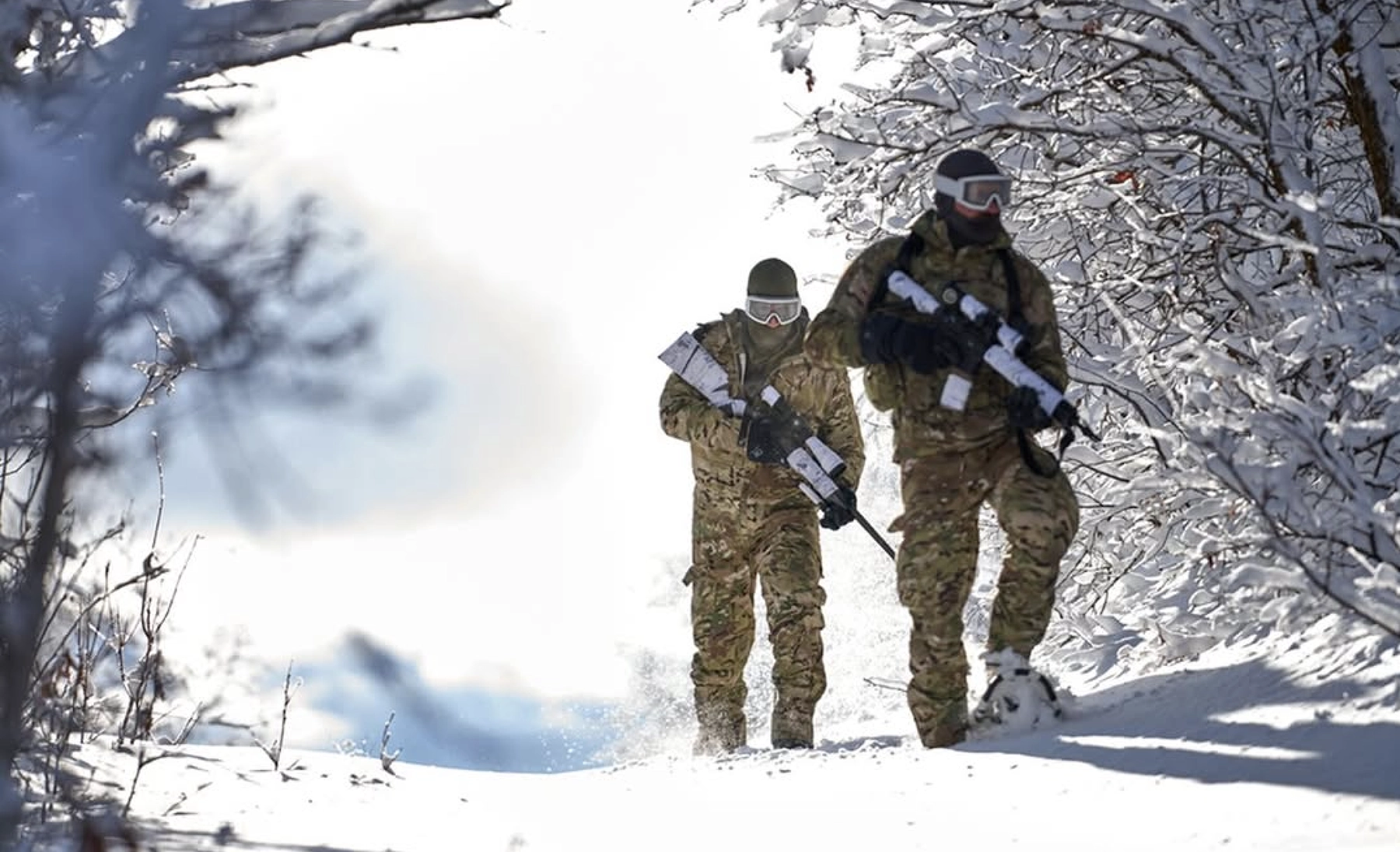
I got to know a little more about what I didn’t know yesterday in a great meeting with several of the key folks behind the Forgeline Solutions brand (q.v). They use a lot of waxed performance cotton in the construction of their Performance Fieldwear Collection, a line of performance/technical wear that sure looks like it’s going to be a serious contender in their battle space. And maybe some others.
Note: this is not the same waxed cotton that Jack Aubrey, Ishmael, or Long Tom Coffin would recognize, mind you. You’d be hard pressed to notice its waxed cotton unless someone from Forgeline told you. I’ll explain more of that in a bit.
Actually, let’s let them explain things right quick, and then I’ll continue.
Forgeline Solutions Performance Fieldwear Collection
Back to the Old Stuff
As I was saying, the practice of field-expedient snivel gear construction evolved and improved, as such practices will. By the 1800s they had access to sails treated with linseed oil. This made for lighter, more effective sails, making them less waterlogged, heavy, and cumbersome. Lighter sails made for lighter ships and were easier to handle. That’s a Good Thing whether you’re a merchant vessel on a trade run or a man-of-war manoeuvring for a fight.
I’m using the Brit version there as a nod to Scottish sailmakers and the British East India Company, btw.
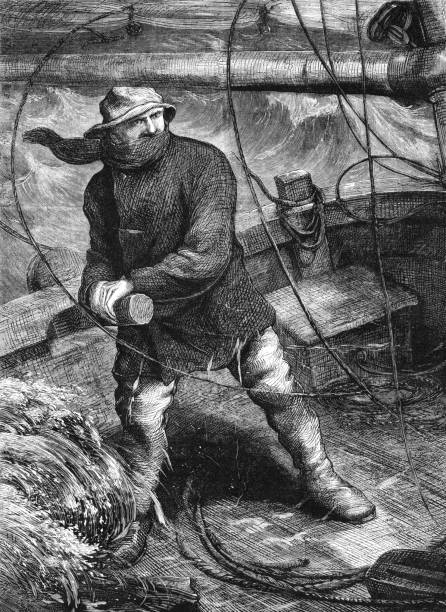
The improved sails also made for better, albeit still crude, water- and wind-proof coats, ponchos, and smocks for those ships’ crews. This was the first large-scale use of waxed cotton clothing, and – thanks in large part to companies like British Millerain, Halley Stevenson, and other godfathers of the “paraffin transition” in the late 19th century.
These companies made life a little better for all those poor bastards at sea, especially in rough weather. Life aboard ship was hardly all tacos and blowjobs, obviously, but as many of you reading this already know, it’s way better to be cold or cold and damp than to be cold and soaked through.
Approved Recipe for Waterproofing c. 1845
- 2 Quarts Boiled Linseed Oil
- 1/2 Pint Japan Gold Size (this was a “siccative”, or drying agent)
- 1 Ounce Sugar of Lead (was it effective? Kinda. Was it toxic? Oh yeah.)
- Method: “Apply with a brush; let dry for two weeks in the sun between coats.”
~ Mackenzie’s Five Thousand Receipts (1829) and standard maritime practices; further explained in The Seaman’s Friend (1841)
We’ll fast-forward a bit cuz I need to get back out on the SHOT Show floor, and Ryan is getting impatient. I’ll go into more detail later. Use of the linseed oil “waterproof” gear, as well as oiled skins and cloth (particularly on whalers, where sailors were all but covered with blubber) continued. This led to the manufacture of waxed garments at scale, mass issue to naval vessels and soldiers, and widespread domestic use in many professions.
In fact, it kept going until supplanted by such things as Gore-Tex and assorted other textiles, including many (probably the vast majority) that contain per- and polyfluoroalkyl substances, aka PFAS , the so-called “Forever Chemicals. PFAS is extraordinarily effective and is overall pretty great except for the part where it kills you and poisons your pets and livestock and never goes away.
That’s another big advantage of waxed performance cotton, though I took the long way around the barn to tell you about it. The stuff that Forgeline is using is equally (or more) effective, and it has the advantage of not making you dead (or sick enough that you wish you were dead).
I realize this has been a bit of a choppy read, but bear with me. It will all become clear when I can revisit and expand the article. We’ll look at Ventile, the difference in how old and new waxes are used, and the Ursula Suit. I know you’re waiting with bated breath, so you’re welcome in advance.
Until then, check out Forgeline Solutions.
More to follow.
DR






I went to the Forgeline web site. It should certainly win some kind of prize for artistry in electronic media graphics. However, it missed the whole point of ads — to sell!!! Nothing else matters. Clever jingles, fancy music, amusing graphics should all lead quickly to the main point SALES. I spent about two minutes on their website after having spent about 90 seconds clicking a button to uncover — no clothing, but a mission statement. Well, that might be great for a company sales meeting but did little to tell me anything about their line. I saw a lot of fancy graphics but again, not a word about what they had to SELL. Sorry guys, life is too short these days to spend so much time admiring some fancy graphics exercise. I want to know what products you have available; what they do and how much they cost. I want ordering to be easy and easily adjustable in case I decide to order two or three of an item after I see what the total bill is going to be. I don’t want pop-up blocking me from my main effort — to make an easy purchase with an easily navigable website. FORGELINE YOUR WEBSITE FAILED MISERABLY
Otherwise I found the Museum piece about oilskins interesting and informative. If I am ever in Nova Scotia by happenstance, I will make it a point to visit the museum. During a really crappy experience with the French speaking Canadian people during the’76 Olympics, I swore to make it a very long time before I visited French Canada again. It has been since ’76 but is still not long enough for me. Have been back to the civilized parts of western Canada and enjoyed visiting there but held to my vow to remain west of the eastern edge of Calgary.
Well, you may have been worried about a chopped, rushed article, but it worked – I’ll be back to find out more when you post it! I have plenty of issued and aftermarket snivel gear, but I’d be happy to introduce some new (or old) stuff.
I love this, treat my Carhartt bibs and coat with oil/wax every 5-6 years. Easy to clean them up and they last a lot longer.
Equal parts boiled linseed oil and wax (I use toilet gaskets from Ace) some turpentine as a carrier and a dash of pine tar to (prevent mold). I feel like I can weather any storm wearing that stuff. You’ll need to let them dry for about a week, to let the all the volatiles evaporate