

Florida Judge Rules State ‘Stand Your Ground’ Law Unconstitutional
Mike the Mook
On Monday, July 3, Miami-Dade Circuit Court Judge Milton Hirsch ruled that recent changes to the state’s “stand your ground” law, called “Self-Defense Immunity” and signed itno law by Florida Gov. Rick Scott in early June, were unconstitutional. He found that legislators overstepped when making it easier for defendants to argue self-defense to obtain immunity for violent acts.
Interestingly, none of the attorneys involved in the case that was the catalyst for the case asked Judge Hirsch to rule on the Self-Defense Immunity changes.

According to the Miami Herald, the judge said that courts (specifically the Florida Supreme Court), not lawmakers, should have been the ones modifying the law, calling it a “procedural change.”
While this may sound sensible to some, it’s actually seen as troublesome by others — the ruling would have shifted the burden of proof during pretrial hearings to prosecutors, rather than defendants, to show whether force was used lawfully, which we reckon is reasonable. Others (the ones vindicated by Judge Hirsch) argue this requirement effectively makes prosecutors have to try a case twice.
Richard Corcoran, Republican speaker of their House of Representatives, said the following in a statement:
“It is the role of the legislature to write the laws that govern how Floridians may exercise their statutory and constitutional rights. The Florida House will continue to stand with ordinary citizens who exercise their right to self-defense.”
Procedural? Sure seems to us that Corcoran has the right of it. Maybe Judge Hirsch was sick that day in fourth grade when his Civics teacher taught everyone else how the legislative branch makes laws, not the judicial. In his 14-page order (which you can read in his entirety here) he says,
“As a matter of constitutional separation of powers, that procedure cannot be legislatively modified.”
Florida’s “stand your ground” law, passed in 2005, received wide scrutiny and inspired similar laws in other states. It removed the legal responsibility to retreat from a dangerous situation and allowed the use of deadly force when a person felt greatly threatened. The Self-Defense Immunity change would have made the law more defendant-friendly, putting the onus of disproving claims of self-defense immunity on prosecutors.
Opponents to the Self-Defense Immunity change, such as the Florida chapter of Moms Demand Action for Gun Sense, said the changes to the law would create a “shoot first, ask questions later” mentality in gun-owners. Other critics of the law cited the 2012 death of Trayvon Martin in Sanford, Florida, in their arguments, even though the incident had nothing whatsoever to do with “Stand Your Ground.” But hey, why allow a few facts to ruin a good anti-gun argument?
5.11 Tactical (@511tactical) is a member of JTF Awesome.
Mad Duo, Breach-Bang& CLEAR!
Comms Plan
Primary: Subscribe to the Breach-Bang-Clear newsletter here; you can also support us on Patreon and find us on Pinterest.
Alternate: Join us on Facebook here or check us out on Instagram here.
Contingency: Exercise your inner perv with us on Tumblr here, follow us on Twitter here or connect on Google + here.
Emergency: Activate firefly, deploy green (or brown) star cluster, get your wank sock out of your ruck and stand by ’til we come get you.
About the Author
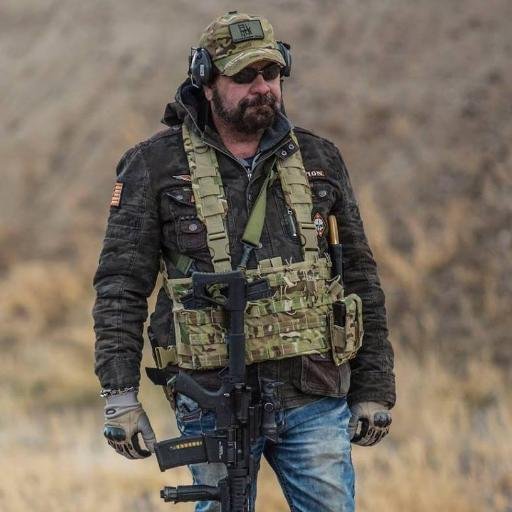
Mike “the Mook” Searson is a veteran writer who began his career in firearms at the Camp Pendleton School for Destructive Boys at age 17. He has worked in the firearms industry his entire life, writing about guns and knives for numerous publications and consulting with the film industry on weapons while at the same time working as gunsmith and ballistician. Though seemingly a surly curmudgeon shy a few chromosomes at first meeting, Searson is actually far less of a dick and at least a little smarter than most of the Mad Duo’s minions. He is rightfully considered to be not just good company, but actually fit for polite company as well (though he has never forgotten his roots as a rifleman trained to kill people and break things, and if you look closely you’ll see his knuckles are still quite scabbed over from dragging the ground). You can learn more about him on his website or follow him on Twitter, @MikeSearson.





0 Comments