
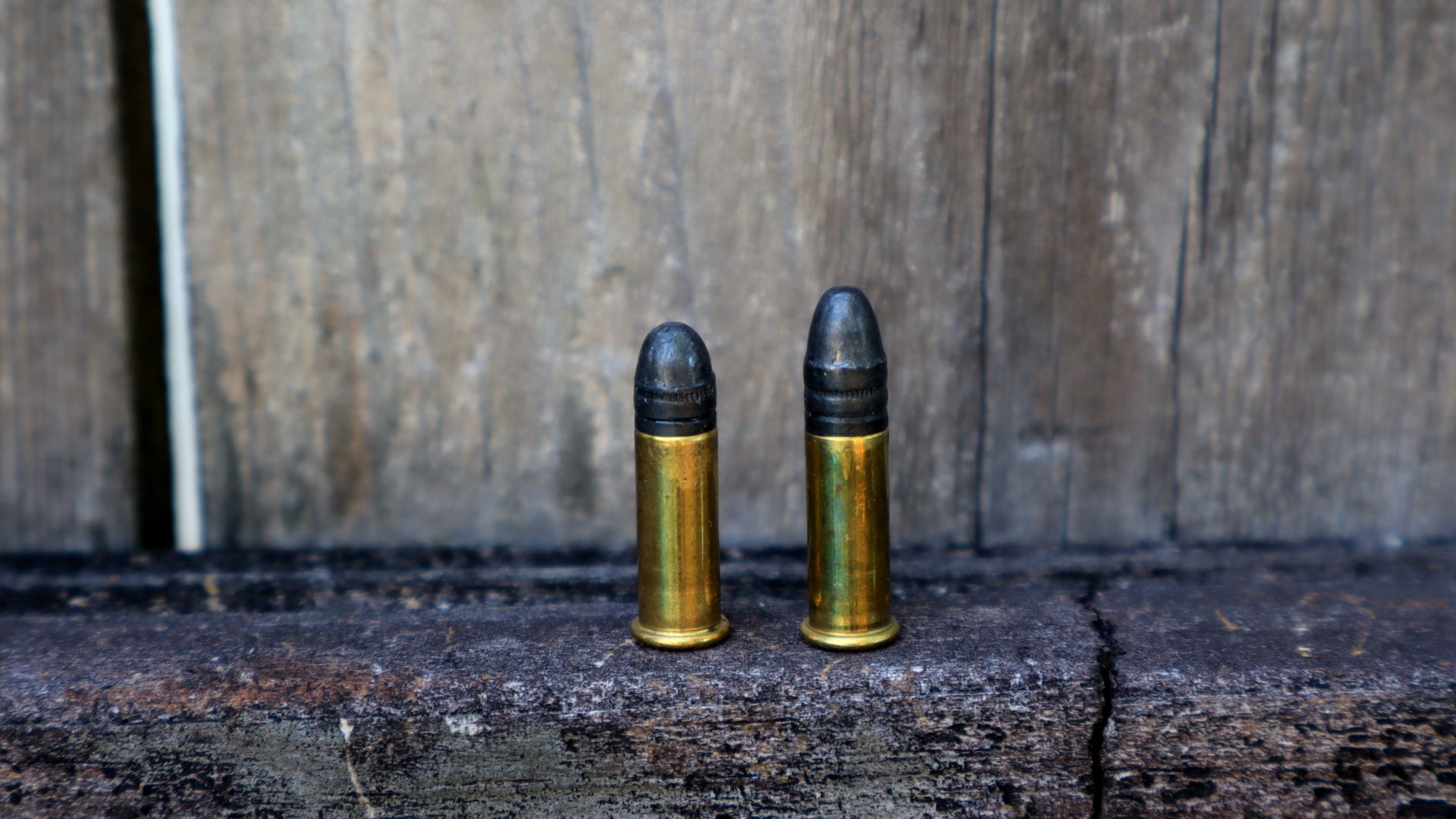
The .22 Long Rifle cartridge just might hold the claim as being a truly global cartridge. Billions are produced annually and firearms that shoot them are more available in more places than just about any other round. The humble .22 is equally the first firearm that many of us learn on, as well as, perhaps, the only firearm some of us can own. That does beg the some analysis. For something so popular, what kind of round is the .22 Long Rifle? In this overview, will discuss the history of the .22 LR, the various cartridges available, and best practices before you pull the trigger.
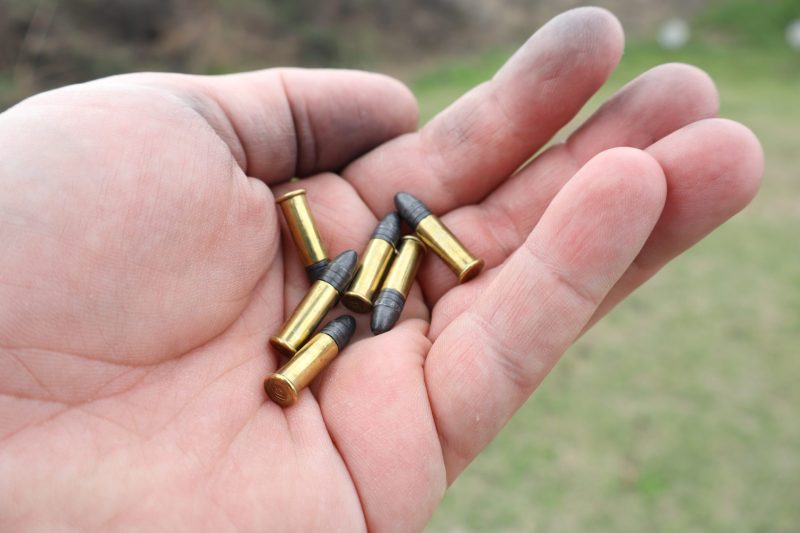
Origins of the .22 LR
The .22 dates back to the era when shooters were finally getting away from muzzleloading muskets and handguns to the very first cartridge guns. The European Flobert rifles and parlor pistols of the 1840s and 1850s were breachloaders rather than muzzleloaders. But instead of using a paper cartridge or loose powder and bullet, the 5.6 Flobert used a small lead BB encased in a large percussion cap with powder in between. The concept was improved upon by Smith & Wesson in the United States with the .22 Short. Introduced for self defense rather than plinking in 1857, the .22 Short used a heeled conical bullet the same diameter as the case. It held more powder and had a case and separate primed rim–a rimfire case. The Short was improved on by the .22 Long and .22 Extra Long in the 1870s. The former held more powder while the latter held a heavier 40 grain bullet. A marriage between the two occurred in 1887 when J. Stevens introduced their first single-shot rifles. They used the .22 Long case but instead of using its 29 grain bullet, a 40 grain bullet was substituted for greater power. Thus, the .22 LR was born.
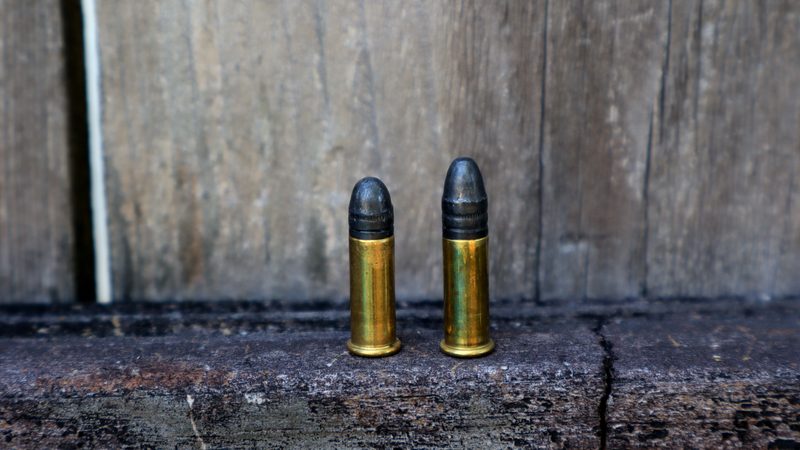
The .22 LR power at its size made it an easy fit for both repeating and single shot rifles and it grew to displace rounds the other rimfire rounds to become standard. That process was helped in the 1933 with the Remington’s introduction of their Hi Speed high velocity loading for the .22. This development helped launch the high velocity .22 genre of cartridges, which remain the most popular loading today. This variety of ammunition in a cartridge that was both mild to shoot and accurate made it a favorite from tasks ranging from small game hunting to pest control to marksmanship training. The move to high velocity and, later, hypervelocity cartridges like the CCI Stinger, made the .22 LR a popular choice in handguns optimized for hunting and even personal protection.
Four Tiered Power
The original .22 LR was a black powder cartridge that threw a 40 grain heeled bullet at about 1,080 feet per second. This became the basis for what is now known as “standard velocity” .22 ammo. Standard velocity ammunition remains popular with target shooters due to its inherent accuracy and the fact that the round does not transcend the sound barrier and then fall below the sound barrier, affecting downrange results.
In the 1930s, the first high velocity cartridges for the round were developed and are the most popular loadings available today. These have a flatter trajectory and some potential accuracy trade offs. These normally run a 36-40 grain bullet at about 1,280 feet per second.
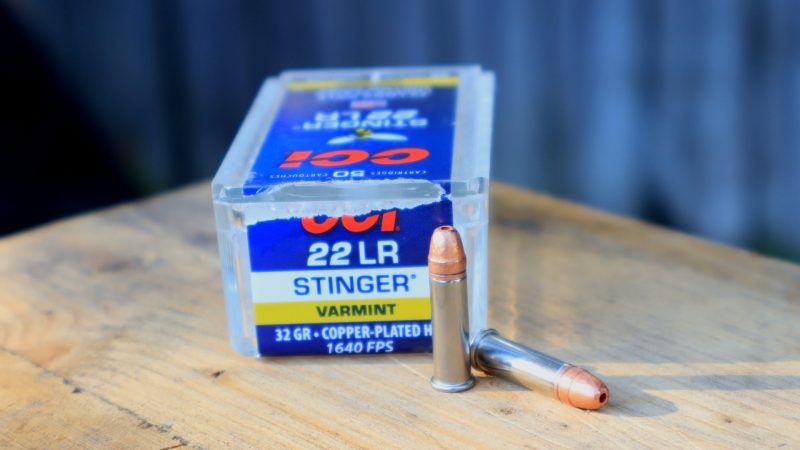
In the 1980s, CCI developed the Stringer, the first hypervelocity .22 LR cartridge. Hypervelocity rounds generally have a velocity of over 1,400 feet per second. The Stinger itself has a slightly lengthened case, but other hypervelocity rounds do not. The trade off of higher velocity and greater power is that it is generally accomplished with a lighter bullet. In the case of the Stinger, a 32 grain hollow point intended for varmint work. Some hypervelocity rounds like the CCI Velocitor and Winchester Super X do use genuine 40 grain bullets.
Finally, the .22 LR is also available in subsonic loadings. These rounds generally fall below standard velocity numbers and do not break the sound barrier. There is also no sonic crack, which makes them a natural candidate for suppressed shooting–although the .22 LR is already a good candidate. Subsonic .22s make for accurate target work and discreet pest control, but are the weakest link when it comes to power and ballistic drop.
Bullets of All Kinds
The most basic .22 LR bullet consists of a heeled 40 grain round nosed lead bullet or a similar bullet with a copper wash. These nonexpanding bullets offer good accuracy yet offer surprising effectiveness as these longer rounds tend to tumble.
The same basic lead or copper washed lead bullets are available in a basic hollow point configuration made for expansion and more limited penetration, like on fur bearing animals. Many lineups of .22 LR ammunition that offer a 40 grain Solid will also offer a 36-40 grain hollow point as well, such as the CCI Mini Mag and Remington Golden Bullet line.
Segmented hollow points are another option to consider, particularly where over penetration on game could be an issue. Instead of overall expansion, these rounds feature a hollow point designed to fragment and dump all of its energy into area. The Winchester 37 grain segmented cartridge is a longstanding favorite that has been retooled for defensive use as their .22 LR Silvertip.
Although most .22 LR bullets are mostly lead composition, there are some exceptions. The CCI Uppercut, made for defensive use, has a true copper jacket rather than a copper wash. The CCI Copper is an interesting 21 grain copper/polymer solid made for varmint work that excels in locales where lead pollution is a concern.
All .22 LR bullets use a heeled design with a smaller base that is crimped into the cartridge, while the rest of the bullet on the outside of the case is lubricated and identical diameter to the case. This old rimfire throwback is great for economy but the lube grooves tend to pick up dirt and debris in a pocket or shooting bag.
Decoding .22 LR Ballistics
Pistol vs. Rifle
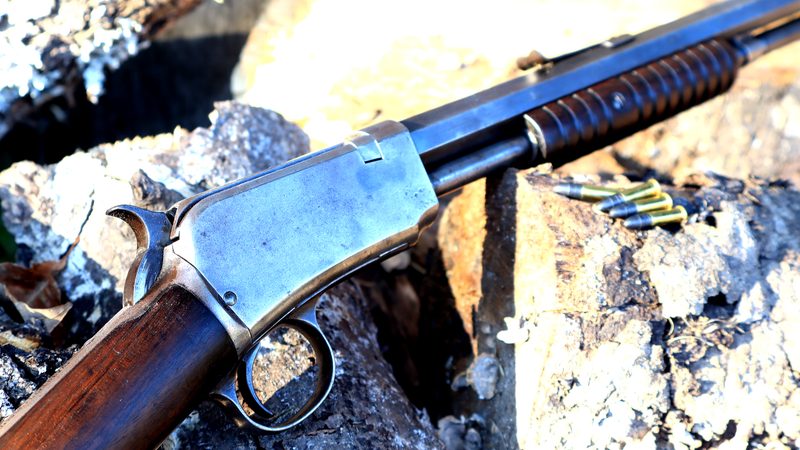
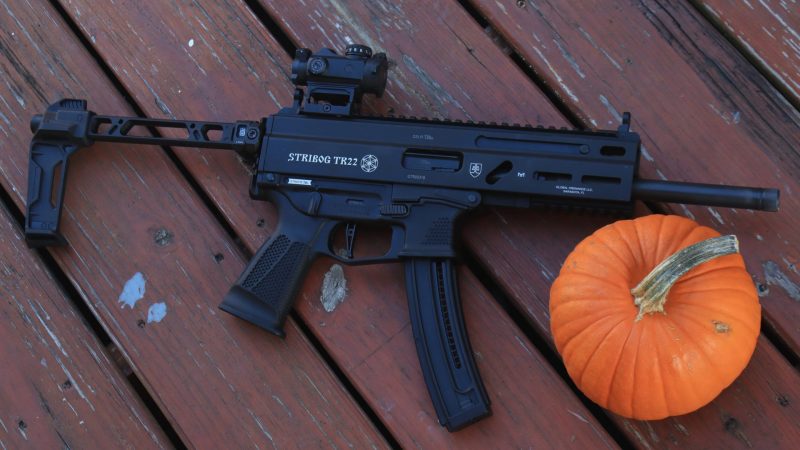
The .22 LR was designed for rifle use and most numbers you see on a box are rifle-based velocities with longer barrels. However, .22 LR pistols have been around for over one hundred years. Since the introduction of hypervelocity ammunition like the CCI Stinger, the number of small pistols and snub-nosed revolvers chambered for .22 LR have grown and the .22 LR has emerged as a minor contender as a self-defense cartridge. Given the differences in barrel lengths between rifles and pistols as well as the four-tiered system of power, the effectiveness of the .22 is various.
High velocity cartridges are the most popular and various offering available, but offer surprisingly consistant performance across platforms ranging from 2 inch revolvers to 16 inch carbines. For example, the venerable CCI Mini Mag 40 grain round, with an advertised velocity of 1,280 feet per second, can achieve that out of the carbine. Out of a 4 inch revolver, velocities of 1,100 feet per second are still possible. The 2 inch revolver drops velocities down to 950 feet per second. For defensive use, hypervelocity cartridges have more to offer but often do not reach advertised velocities. The good ol’ CCI Stinger 32 grain reaches just 1,520 feet per second out of a 16 inch carbine–not the advertised 1,640 on the box. Out of the 2 inch gun, a solid 1,300 feet per second performance is still possible. Standard velocity and subsonics generally fall in the 700-800 feet per second range out of a short barreled handgun, but have less velocity to work with overall.
How Far Will the .22 LR Shoot?
In terms of ballistic drop, the hypervelocity lines have most potential, although are usually less accurate in terms of group size. With a fifty yard zero, the CCI Stinger is dropping just three inches at 100 yards and thirty inches at 200 yards. A similarity sighted CCI 36 grain Mini Mag drops seven inches at 100 yards and thirty-eight inches at 200 yards. Effective range of the .22 LR is inside 200 yards with its best uses at under 100 yards. However, the .22 LR can travel over two miles with deadly results, so be sure of what your target and avoid horseplay, even with rounds as small as these.
How Much Does .22 LR Kick?
Chuck Hawks’s extensive testing of rifle recoil force and energy puts the .22 LR dead last in terms of felt recoil with just 0.2 lbs. of energy. By comparison, a .223 Remington 55 grain round as used in the common AR platform, yields 3.2 lbs of energy. The .22 is as close to nothing without being nothing, out of a rifle. There is more muzzle rise and recoil when stepping down from rifle to handgun. Even then, recoil forces are miniscule until getting down to truly lightweight handguns like the NAA Mini revolver. The .22 LR is popular with training all types of new shooters because of its inconsequential recoil and low noise.
The .22 LR vs. The World
.22 LR vs. .22 Hornet
Like the .22 LR, the .22 Hornet was developed for varmint hunting and has been around the block a time or two. Developed in 1930, the Hornet uses the same caliber of bullet, although normally a heavier jacketed version of 45-55 grains. Velocities range from 2,600-2,800 feet per second–a healthy increase in power considering the .22 Hornet is the smallest center-fire rifle round still in common use. Aside from bore diameter and general purpose, the .22 Hornet has a flatter trajectory and far greater power. Where range is not an issue, thought, the .22 LR is a good critter getter and much cheaper to shoot.
.22 LR vs .223 Remington
The .22 LR and .223 Remington are sometimes erroneously compared due to the size of their entry holes on paper. Both are nominally .22 caliber, but, like the Hornet, the .223 is a wholly different animal. First designed for the M16 platform then supported commercially as a varmint cartridge, the .223 is a center-fire round with a greater case capacity than the Hornet. A standard 55 grain bullet at 2,900 feet per second gives it longer legs and more power than the .22 LR at any practical distance. Although that power can be moot at shorter ranges, it opens doors the .22 LR cannot get through. It is also among the bare minimum calibers legal for deer in some states. Although the .22 is softer shooting and cheaper to shoot, these truly belong in different categories.
.22 LR vs. .22 Magnum
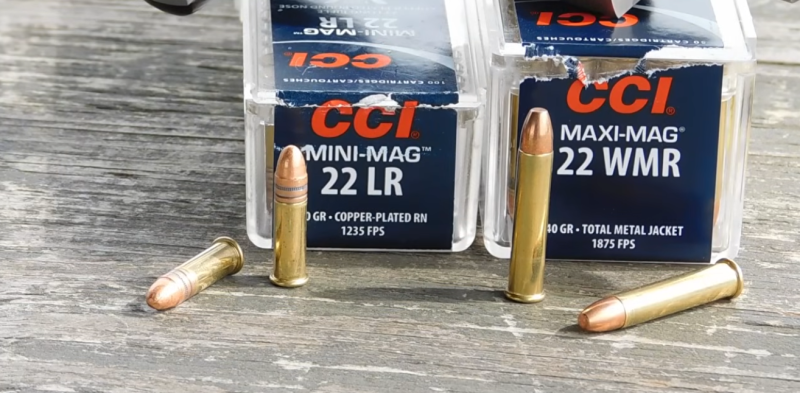
The .22 LR and .22 Magnum are more comparable. The .22 Magnum was developed in 1959 as an improved rimfire round with a higher velocity and tougher jacketed bullets. The Magnum uses 30-50 grain bullets at velocities of about 1,800-2,100 feet per second, making it a flatter shooter with greater power over the .22 LR. However, the Magnum’s generally lightweight bullet make it effective on light-skinned animals like the .22 LR, although at greater distances. The higher velocity also trips the Magnum up in the suppressed shooting arena over the .22 LR. The higher cost of Magnum ammunition and lesser availability of .22 WMR rifles is another consideration when looking at the .22 LR and .22 Magnum.
Both rounds are chambered for small defensive handguns and the .22 Win Mag tends to hold its own with an extra 100-200 feet per second over the .22 LR. But newer .22 LR rounds like the Federal Punch have closed the performance gap on the .22 Mag in a handgun configuration, making the Magnum more questionable now than in recent years. However, on the whole, the .22 Magnum generally gets the nod.
.22 LR vs. .25 ACP
Hypervelocity .22 rounds effectively made the .25 ACP cartridge obsolete. In years past, the .25 was a popular pocket pistol cartridge. It boasts a nominal 50 grain bullet at 750 feet per second. It was no barn burner but no more effective than a .22, and it did well thanks to its more reliable center-fire ignition. The .22 LR has improved in terms of power and reliability to be caught in a dead-heat with the old .25. It uses a slightly lighter bullet going a bit faster. However, the .22 LR wins on economy due to its mass availability and popularity. It will generally be the practical choice, but the .25 will generally be best since it is a center-fire option

.22 LR vs. .380 ACP
The .380 ACP has eclipsed both the .22 and .25 as a pocket pistol cartridge and is generally as powerful as one could get in that footprint. It is a center-fire round that used a 90-100 grain bullet traveling at about 900 feet per second Although .22 LR rounds like the Stinger and Punch can rival the .380 in penetration, the heavier .380 rounds will consistantly deliver good penetration and wider wound channels. The .22 will generally win the shoot ability contest thanks to its low recoil, which will endear it to some over more powerful rounds in a small platform.
.22 FAQs
In its hypersonic loadings, the .22 LR with a 30-32 grain bullet can achieve velocities of 1,600 feet per second for about 170 foot pounds of energy from a rifle barrel. This falls in line with lower end pistol cartridges like the .380 ACP, which generates similar energies out of a pistol barrel.
The .22 LR is available as a No. 9 or No. 12 ratshot loading. These consist of a number of very small pellets in a plastic sabot inside a .22 cartridge case. These are meant for pest control at close range with minimum backstop damage. Rounds like this are also called bird shot or snake shot shells.
The US Military uses the .22 LR sporadically throughout its history. During World War II, the Mossberg 44 .22 was used for marksmanship training. A number of Colt Woodsman and Hi Standard Model B pistols were purchased and issued for use during the war. A suppressed Model B was authorized for use by the OSS with a specialized FMJ bullet for discreet operations. During the Vietnam War, the suppressed Ruger Standard accounted for itself during covert operations, though was never officially issued. These pistols are often mistaken for the Mk. 22 S&W Suppressed 9mm pistol also used for the same purposes.
Historically, the Israsli Mossad and Skymarshals used suppressed Beretta Model 70 pistols for anti-terrorism work, but these aging handguns have long since been phased out beginning in the 1970s. More recently, the IDF has deployed integrally suppressed Ruger 10/22 clones for riot purposes in urban areas.
A .22 LR solid fired from a rifle barrel can penetrate through six 1/2 inch pine boards. In 10% ordnance gelatin, it can achieve seventeen inches of penetration, though the rounds tend to tumble in this medium. The .22 LR’s soft lead projectile can yaw and fragment after hitting bone and this is often mistaken as bullet bouncing, leading to urban myths about the .22 LR’s lethality.
The .22 LR is designed for small game hunting and pest control at ranges under one hundred yards. In small handguns, it is employed for concealed carry, though the cartridge is considered light for this purpose.
Several manufacturers have optimized the .22 LR for personal defense out of short barrels. These include rounds such as the Winchester Silvertip, CCI Uppercut, and Federal Punch. More recently, Savage Arms developed the .21 Sharp, which uses a .22 LR case paired with a jacketed spire point bullet to achieve better performance out of a rifle.




0 Comments